Local Insights: The Best Time to Visit Bhutan's Festivals


Discovering Bhutan's Festivals
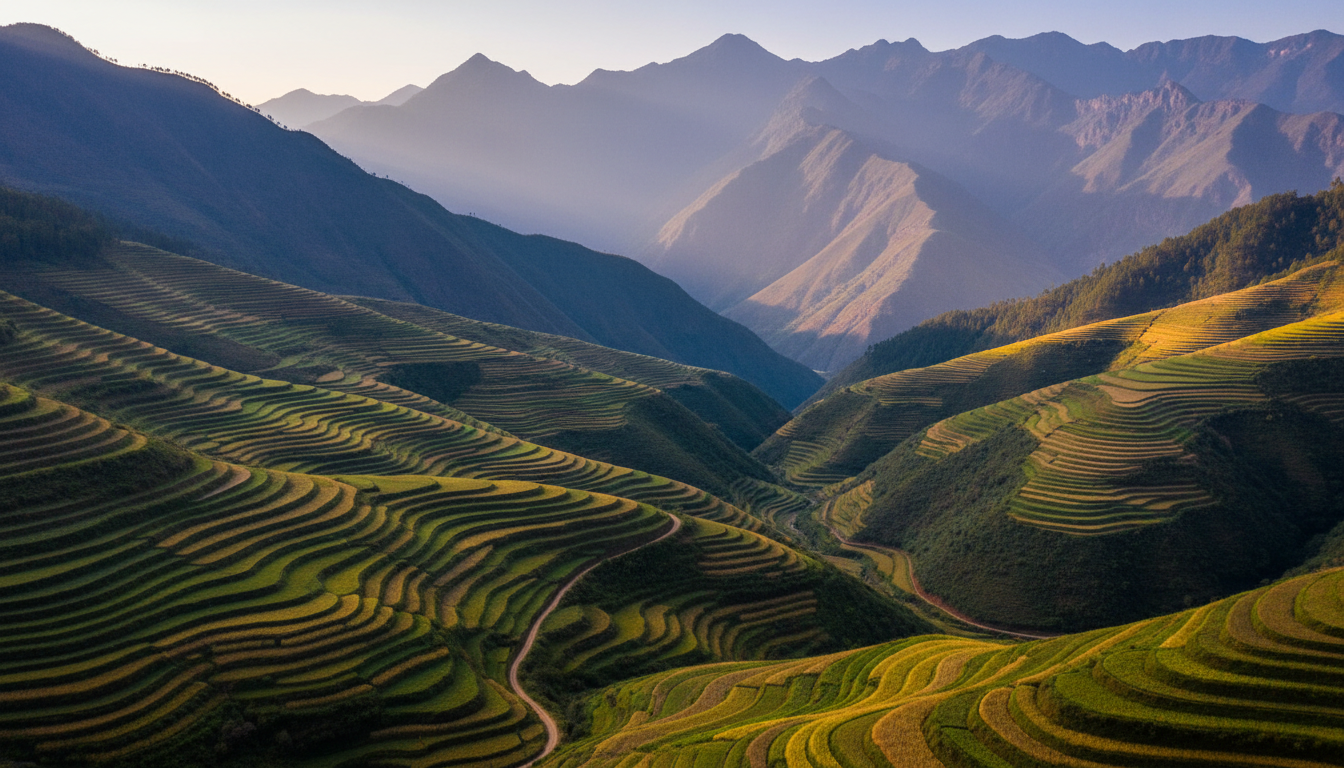
Bhutan, a kingdom nestled in the Eastern Himalayas, is renowned for its vibrant festivals, or "Tsechus," which are crucial to experiencing the country's rich cultural tapestry. These festivals are not only spiritual events but also social gatherings that bring communities together. To make the most of your visit, it's essential to know the best times to experience these mesmerizing celebrations.
Understanding the Tsechus
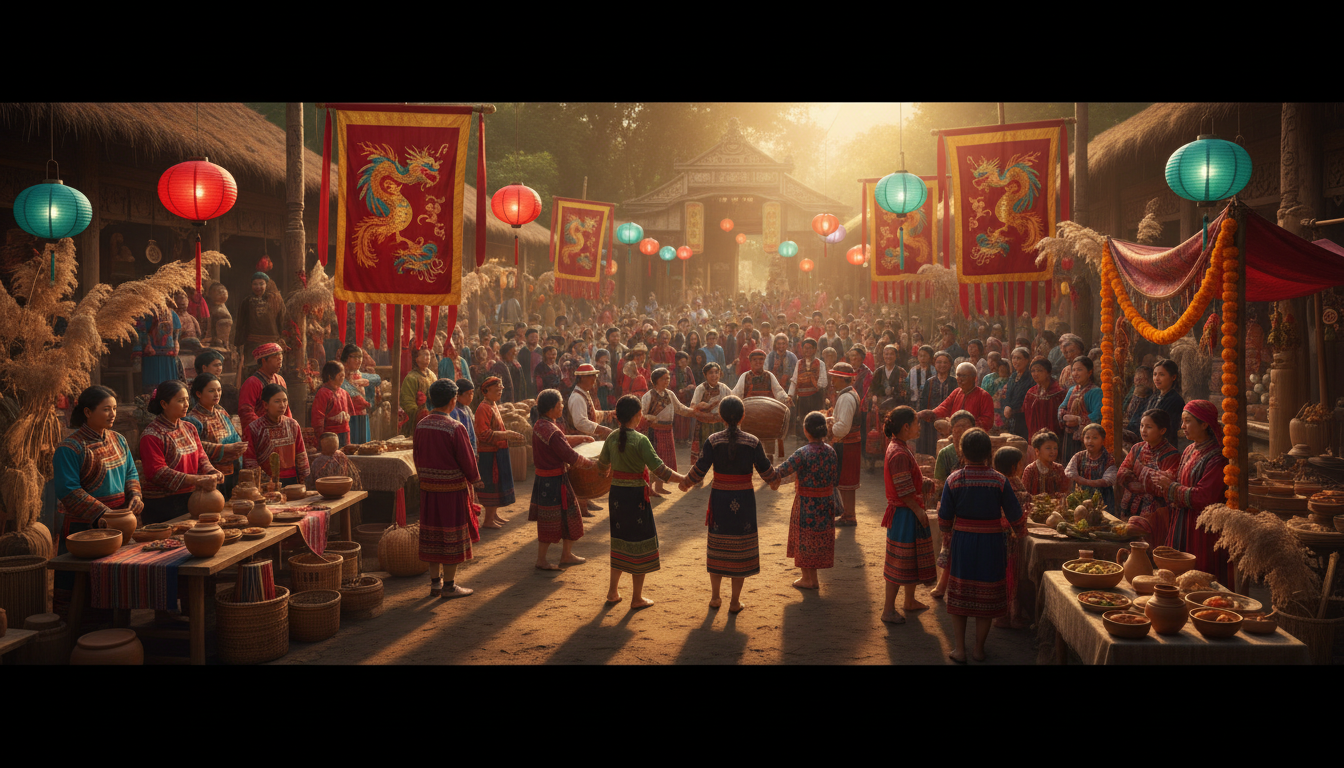
Tsechus are annual religious Bhutanese festivals held in various monasteries, temples, and dzongs across the country. They commemorate Guru Padmasambhava, the "Second Buddha," who introduced Tantric Buddhism to Bhutan. During these festivals, monks and laymen perform sacred mask dances that narrate religious stories, often accompanied by traditional music.
These festivals typically last several days, and each region in Bhutan has its unique way of celebrating. The colorful costumes, intricate masks, and fervent atmosphere make Tsechus a must-see for any traveler seeking an authentic cultural experience.
The Best Time to Visit
Timing your visit to Bhutan can significantly enhance your experience. Most Tsechus occur during the spring and fall, when the weather is pleasant, and the natural beauty of Bhutan is at its peak.
Spring Festivals
Spring, from March to May, is an ideal time to visit Bhutan. The famous Paro Tsechu, held in the picturesque Paro Valley, usually takes place in March or April. This festival attracts both locals and tourists, offering a unique insight into Bhutanese culture. The valleys are lush, and the weather is mild, making it perfect for exploring the surrounding areas.
Fall Festivals
Fall, spanning from September to November, is another excellent period to experience Bhutan's Tsechus. The Thimphu Tsechu, held in the capital, is one of the largest and most popular festivals in Bhutan, usually taking place in September or October. The weather during this time is clear and crisp, providing breathtaking views of the Himalayas.
Other notable fall festivals include the Jambay Lhakhang Drup in Bumthang, known for its unique fire dance, and the Black-Necked Crane Festival in Phobjikha Valley, celebrating the arrival of these majestic birds.
Planning Your Visit
When planning your trip, consider booking well in advance, as festival times are peak tourist seasons. Accommodations and flights can fill up quickly, and obtaining a visa requires going through a licensed tour operator, as independent travel is not permitted in Bhutan.
Consider combining your festival experience with an exploration of Bhutan's stunning landscapes, including its serene valleys, ancient monasteries, and challenging treks, to fully immerse yourself in the country's unique appeal.
The Cultural Significance
Participating in a Tsechu is more than just witnessing a festival; it's about understanding the deep-rooted cultural and spiritual significance of these celebrations. They offer a glimpse into Bhutan's values and way of life, emphasizing community, spirituality, and respect for tradition.
Whether you're drawn to the vibrant dances, the serene landscapes, or the rich spiritual heritage, Bhutan's festivals offer an unforgettable journey into the heart of this enchanting kingdom.